
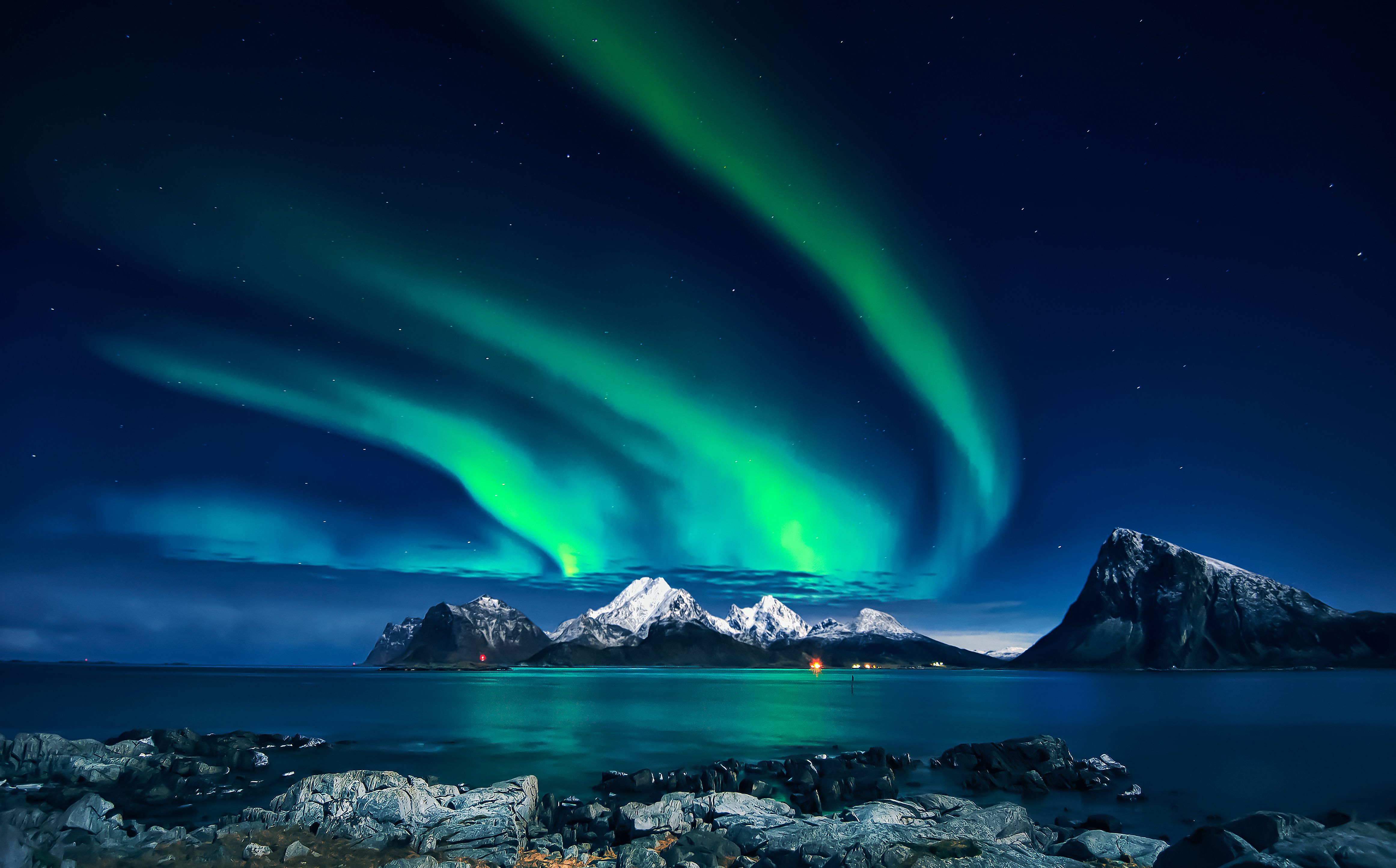
The Arctic has two seasons, and they have almost nothing in common. In winter, the sun disappears for weeks, and the landscape becomes a world of snow, silence, and a quality of darkness that most travelers have never encountered — and find, when they do, clarifying rather than oppressive. In summer, the sun refuses to set, wildlife returns in extraordinary concentrations, and ice retreats far enough to open navigation routes that were impassable six months earlier.


This creates an unusual situation. Most destinations are chosen first and timed second. The Arctic demands a prior question: which Arctic do you want? A traveler who visits Finnish Lapland in January and Svalbard in July has not visited the same place twice. They have visited two different worlds that happen to share a latitude.

Every journey into the Arctic begins with the same question: not where, but when. From the aurora-lit forests of Lapland and the fjord coastlines of Arctic Norway, to the polar bear territories of Svalbard, the ice-calving fjords of Greenland, and the remote passages of the Canadian Arctic, each reveals a different Arctic.