

The Indian Ocean has historically been a connective ocean rather than a dividing one. For centuries, monsoon winds carried merchants, sailors, and ideas between East Africa, Arabia, Persia, India, and Southeast Asia. The Arabic script on a Zanzibar doorway, the Tamil temple beside a Mauritian sugar field, the French Creole spoken in a Seychellois market: these are traces of a maritime world that operated for a thousand years before the resort industry arrived and built its villas on the beach.
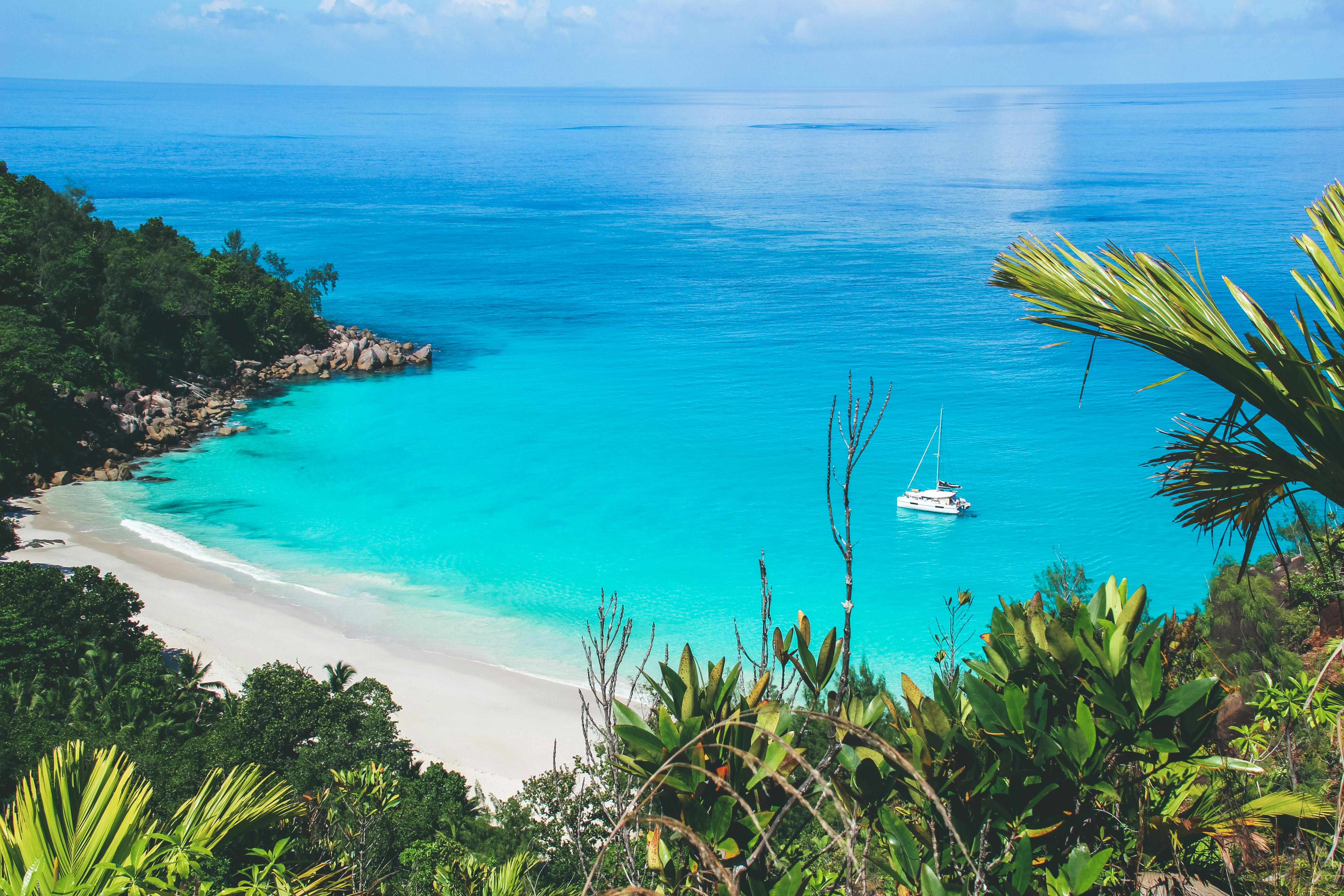
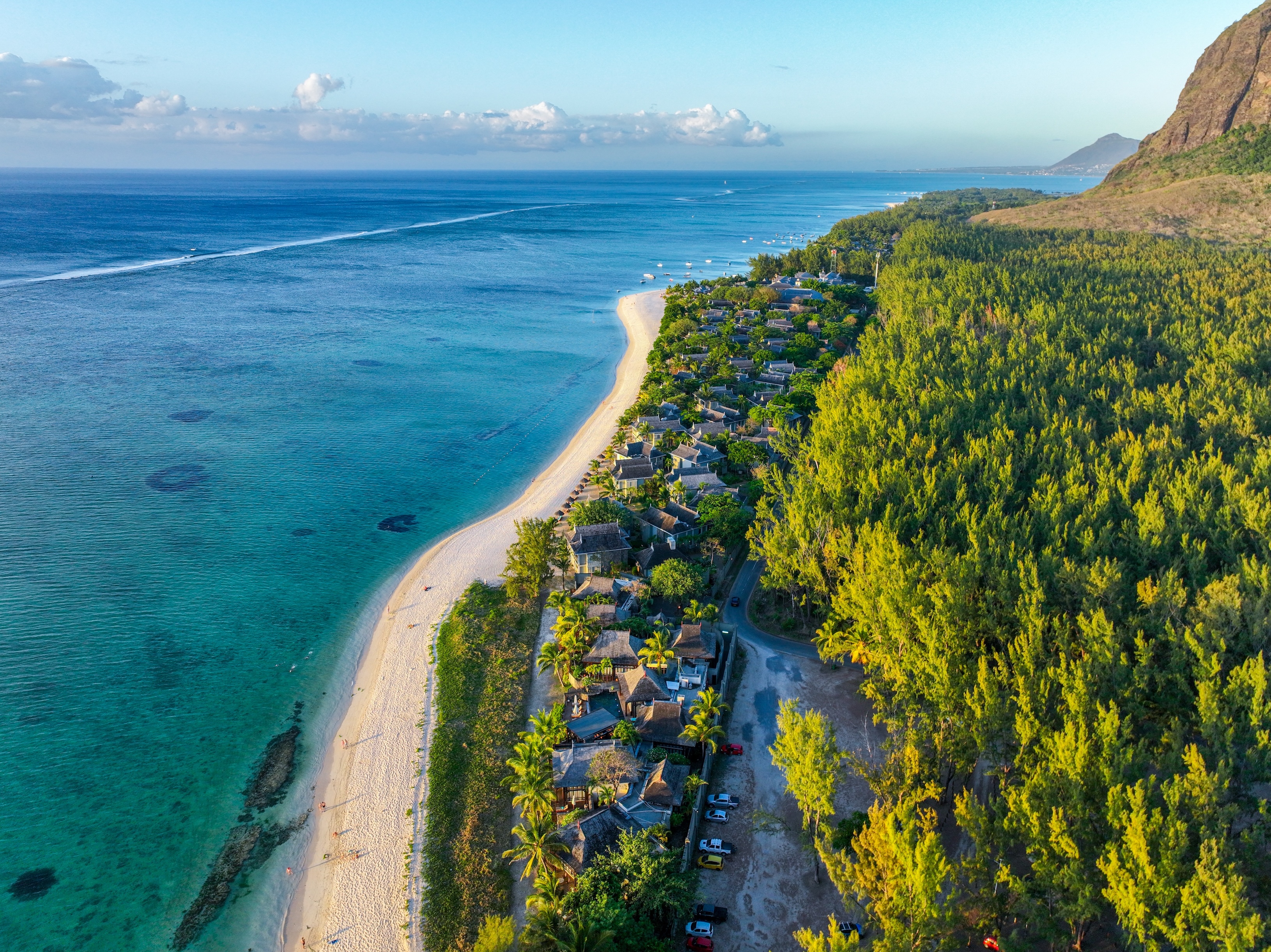
The critical decision in Indian Ocean travel is which island. The Maldives offers the ocean without distraction. The Seychelles rewards movement between islands. Mauritius is where the Indian Ocean's centuries of cultural exchange are visible as living culture rather than historical artifact. Zanzibar is where that history is most legible in the fabric of a living city. Madagascar is what evolution looks like when it has had sufficient time and isolation to produce something entirely unexpected.

The ocean has been connecting these places for a thousand years. The islands make the most sense when they are understood in that context.