

Winter in the Alps rewards the traveler who comes to inhabit it rather than to ski it. The differences between these destinations are not measured in snowfall or vertical drop but in the civilizations they produced — some organized around society, others around mountaineering, others around culinary traditions or cultural continuity that predates the ski industry by centuries.

In the European Alps, that continuity is visible and specific. Courchevel was purpose-built for a clientele that has been returning for three generations. Zermatt has been car-free since 1930, and the village it preserved as a result is as close as the Alps offer to the mountain the first climbers found. The Dolomites harbor a Ladin-speaking minority whose language, food, and relationship to the mountain have remained intact across centuries of surrounding change.
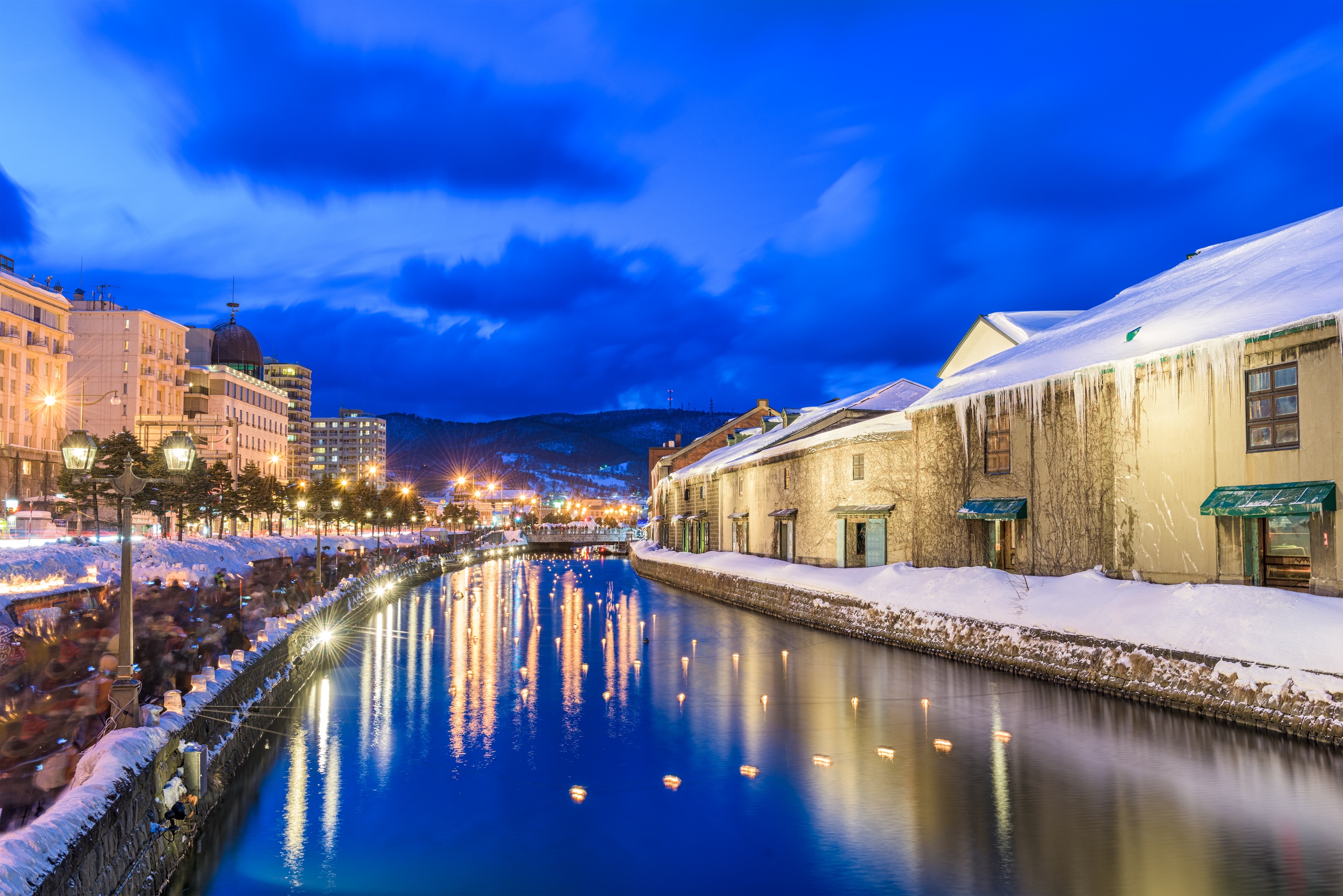
Beyond Europe, the answers become less familiar and more demanding. In New Zealand's Southern Alps, the highest peak is not terrain — it is an ancestor, and the prohibition on reaching its summit changes how you hold the entire landscape. In Hokkaido, a powder day is not a lucky condition but an occasion, received with the quality of attention that Japanese culture has long given to fleeting things.
%20Stefano%20Scata.jpg)
Every destination in this guide will look after you well. The question worth sitting with is which version of winter you're actually ready for.