

The word safari means journey — not hunt, not spectacle, not photograph. A journey implies time, and time is what the bush requires before it gives what it has to give: a reordering of attention so complete that experienced travelers are consistently surprised by it. The phone stops mattering. The news stops mattering. What matters is the direction of the wind, the behavior of the herd, the quality of the light in the next twenty minutes.
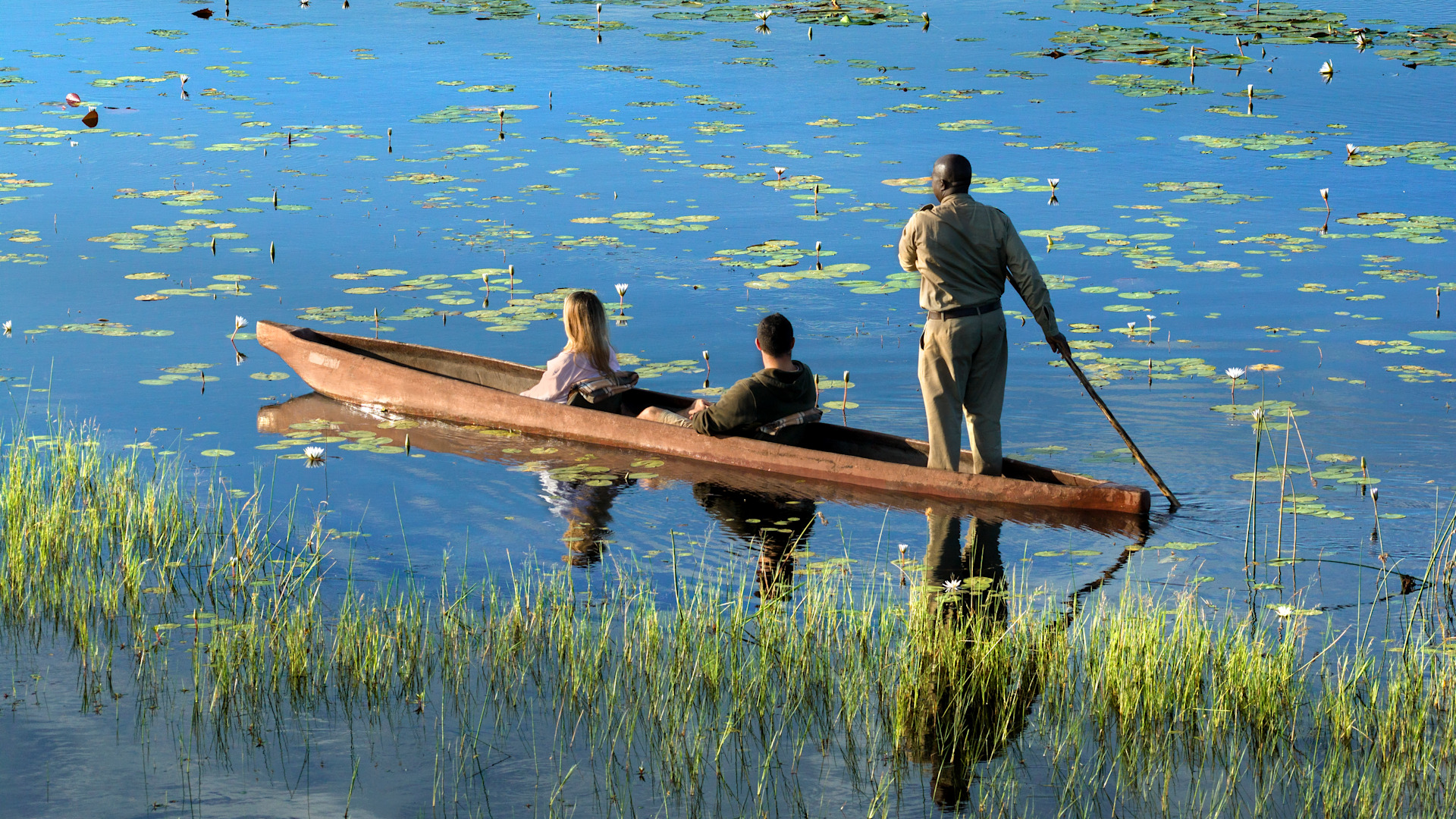
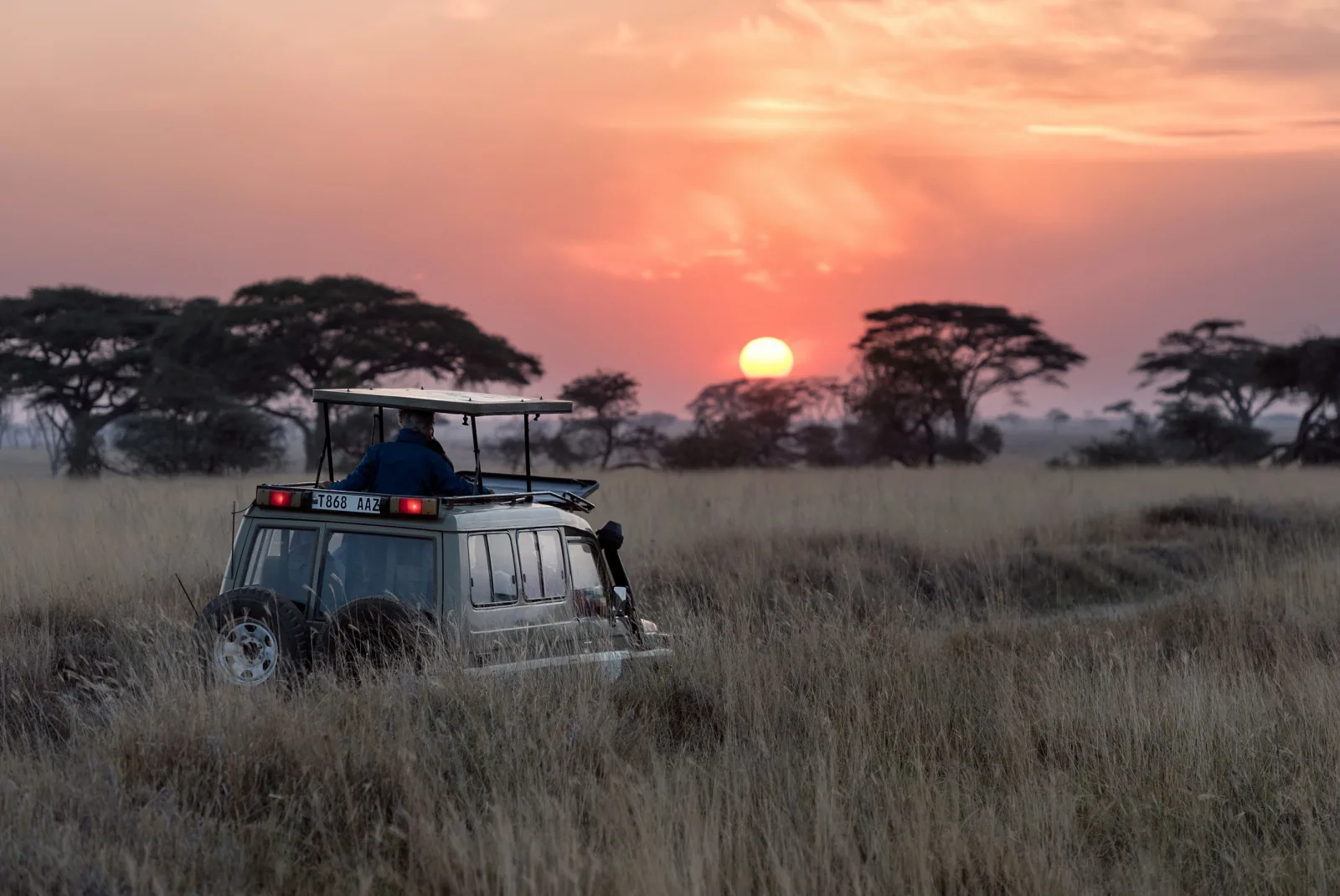
Botswana built an entire national tourism policy around protecting the conditions for it. Zambia's South Luangwa Valley invented the walking safari, which delivers it on foot and at ground level. Rwanda offers it in the presence of mountain gorillas, where eight permits per family group per day make the encounter as close to private as a wild animal experience can be. Namibia offers it in a desert landscape where the wildlife has adapted to conditions so extreme that tracking them changes what you understand adaptation to mean. We partner with operators specializing in bespoke privately guided African safaris that combine distinct environments within a single itinerary.
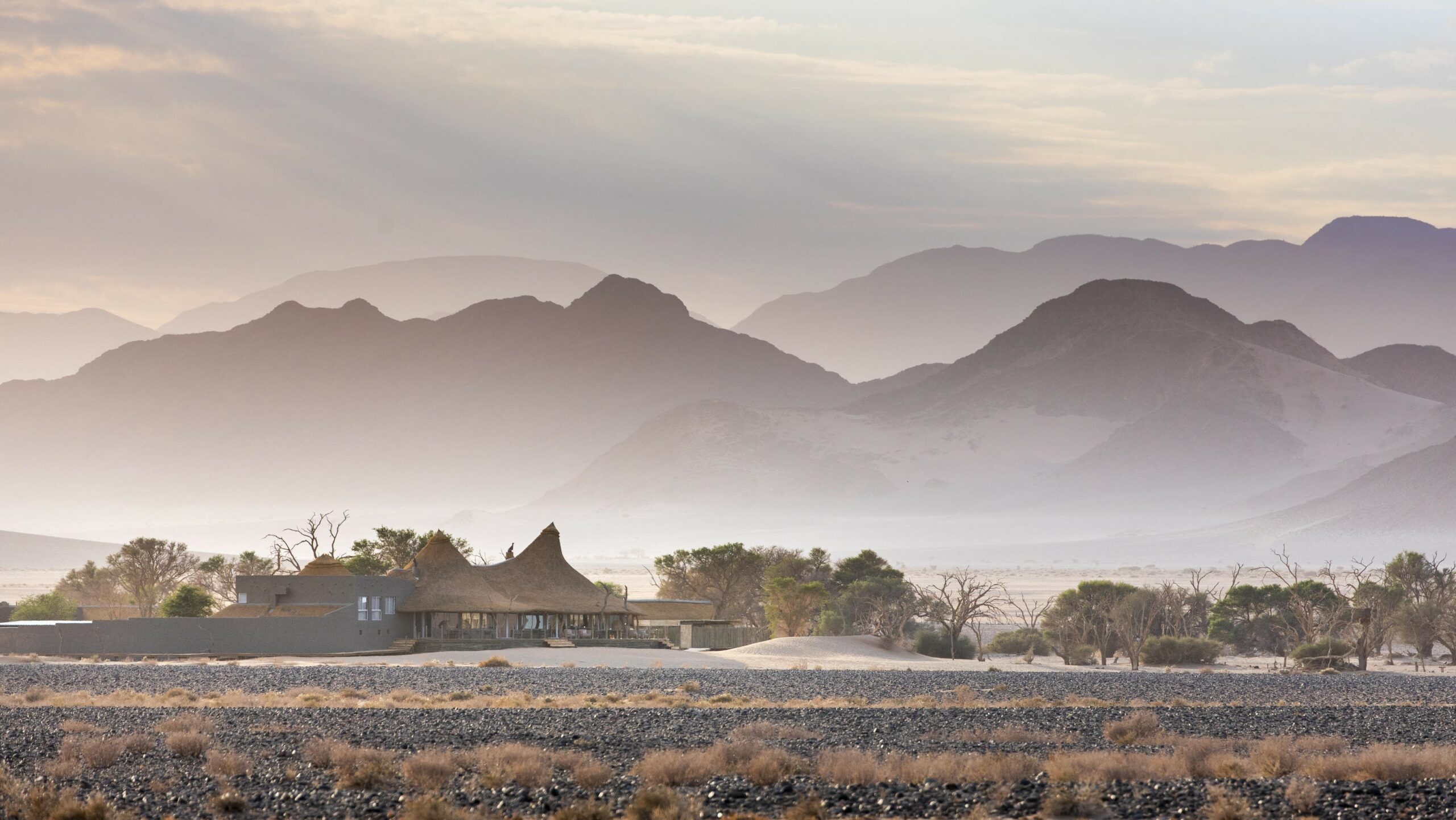
The thrill of the wilderness is its unpredictability.
The best safaris are designed around it.