

What happens when mountains meet the sea — abruptly, the rock face dropping almost directly into the water and leaving just enough room at the base for a road, a harbor, and a town built vertically into the cliff — is a riviera. The defining feature is topographic: the compression of mountain, slope, and sea into a narrow band where everything has had to adapt to the constraint.
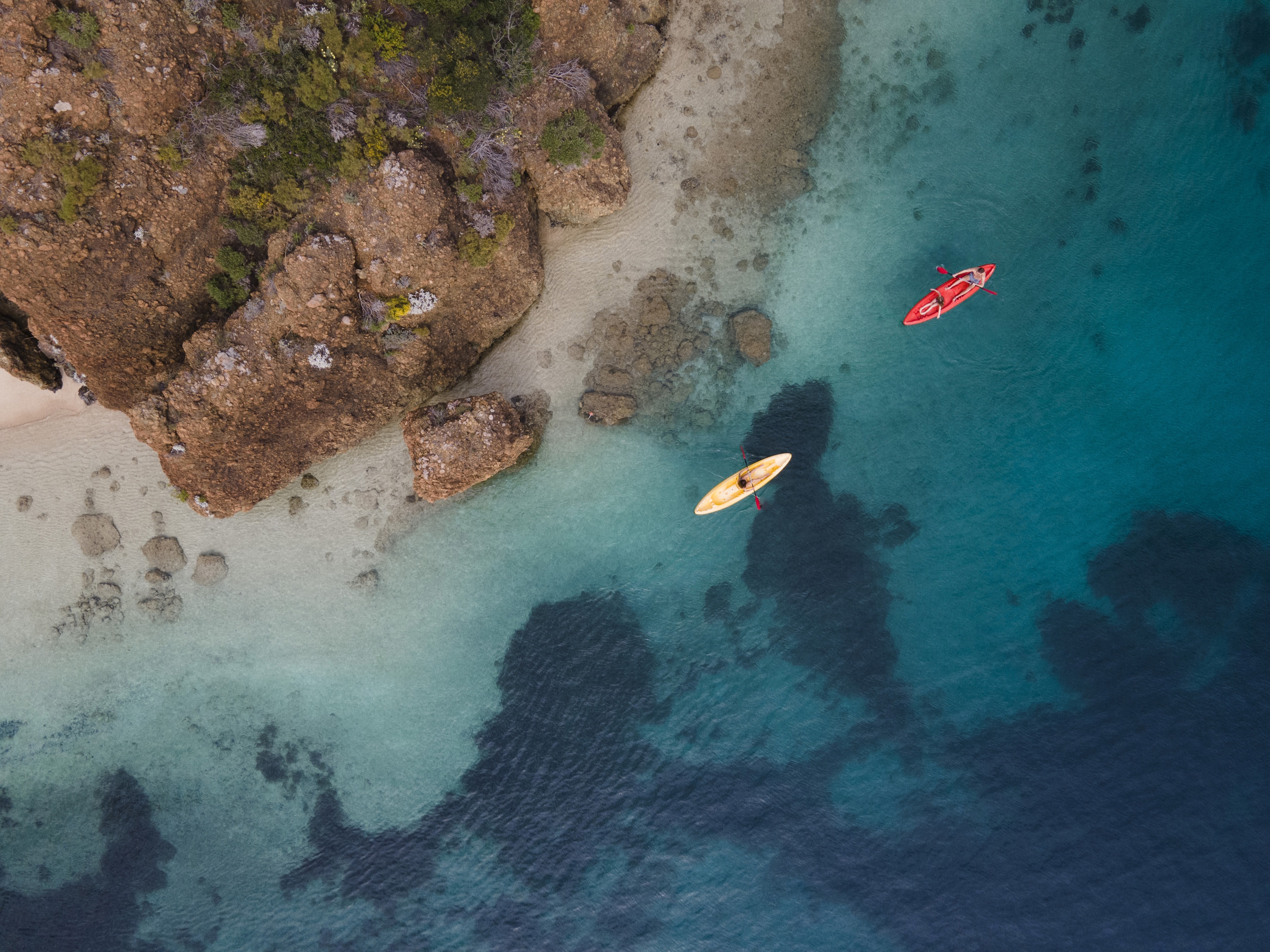
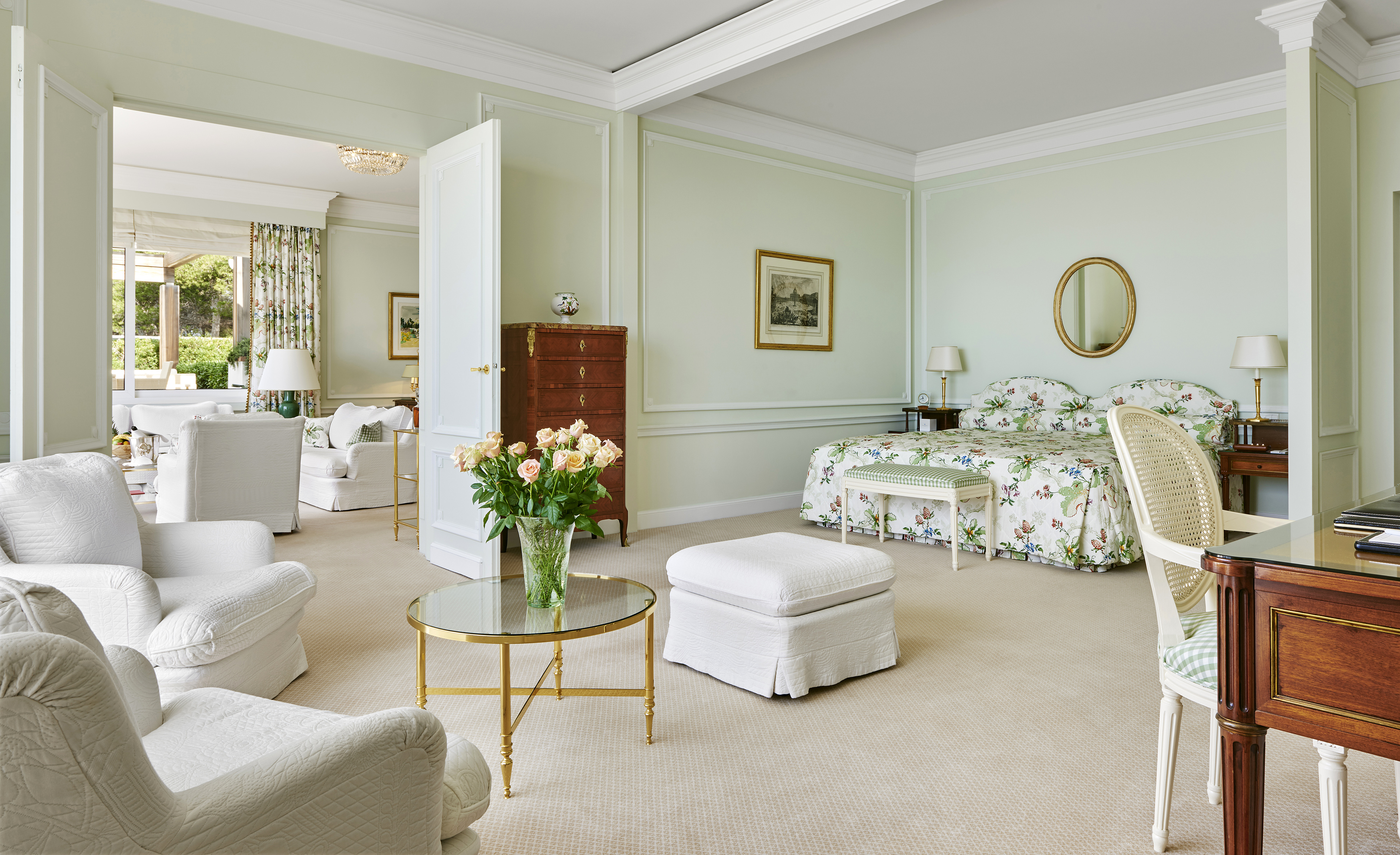
The coastlines gathered here each produced a distinct answer to that constraint. The Côte d'Azur accumulated two centuries of international attention and refined itself around the social world that attention produced. The Italian Riviera resisted refinement and remained a working coast — harbor towns and painted villages, a cuisine of concentrated flavors, a relationship with the water that is direct and unhurried. Turkey's Aegean and Lycian coasts offer what the European coastlines largely lost to development generations ago: an archaeological landscape of unusual density, a cruising culture built around the traditional gulet, and bays accessible only by water.

What all three hold in common is the landscape itself: mountains descending into the sea so abruptly that every harbor, village, and evening on the water becomes a response to that geography.